What Is AnTuTu Score? The Complete Guide to Smartphone Benchmarking
If you’ve ever searched for a new smartphone or watched a tech review on YouTube, you’ve probably heard phrases like “This phone scored 900K on AnTuTu!” or “The Dimensity 8200 chipset beats Snapdragon 7 Gen 1 in AnTuTu tests.”
But what exactly is an AnTuTu Score? Why do tech reviewers and smartphone enthusiasts talk about it so much? And should you actually care about it when buying your next phone?
Let’s dive deep into the world of AnTuTu Benchmark scores and uncover what those numbers really mean.
Understanding What AnTuTu Score Means
AnTuTu is one of the most popular benchmarking tools for Android and iOS devices. In simple terms, it measures how powerful and efficient your smartphone is.
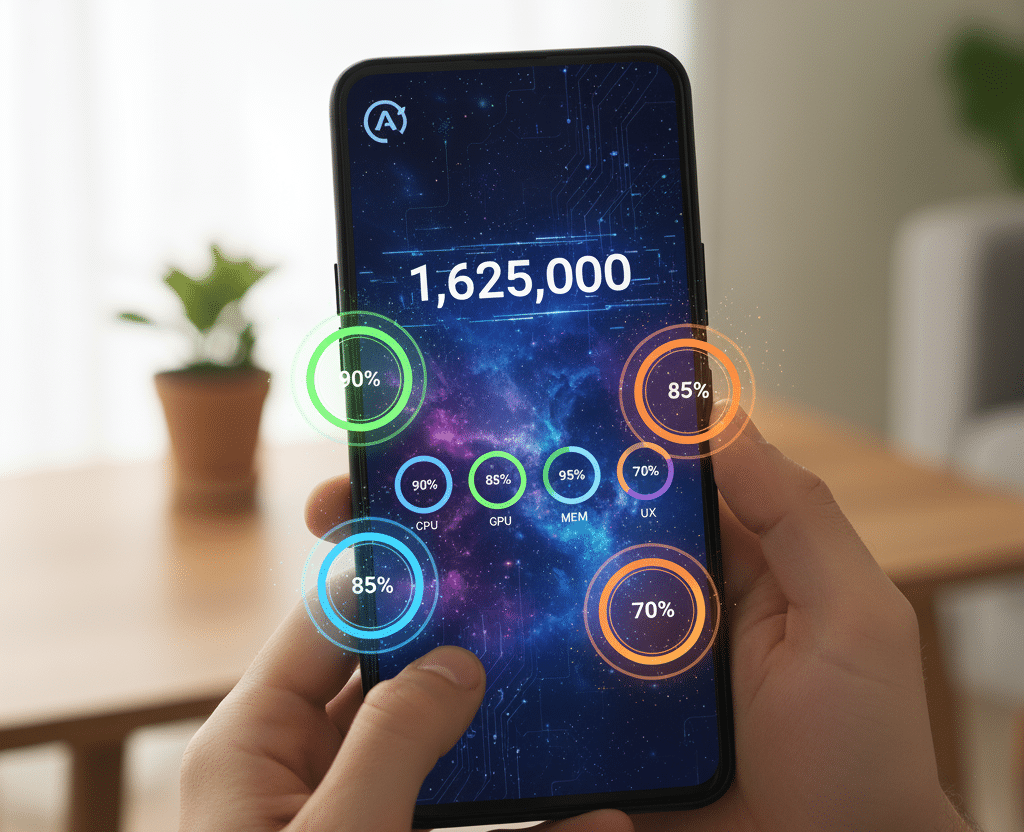
When you run the AnTuTu app, it performs a series of complex tests on your device—testing the CPU, GPU, RAM, storage, and user experience performance—and then gives you a final numeric score.
The higher the score, the more powerful your device is.
Think of it like a report card for your phone’s performance.
If your phone has a higher AnTuTu Score, it means it can handle heavy apps, multitasking, and gaming more smoothly than lower-scoring devices.
How Does AnTuTu Calculate the Score?
AnTuTu doesn’t just pull a random number out of thin air. It uses a detailed testing system divided into several categories:
1. CPU Performance
This part tests your phone’s processor (chipset). It measures how fast and efficiently the CPU handles everyday tasks like app loading, background processing, and multitasking.
Example:
- A phone with a Snapdragon 8 Gen 3 will get a much higher CPU score than one with Helio G85.
2. GPU Performance
The GPU (Graphics Processing Unit) handles graphics and gaming performance. AnTuTu tests the GPU by rendering 3D scenes, checking frame rates, and measuring how well your phone can run graphically intensive games.
If you’re a gamer, the GPU score matters a lot—it directly affects gaming smoothness, frame rates, and visual quality.
3. Memory (RAM + Storage)
Here, AnTuTu measures your phone’s memory speed, both RAM and internal storage. Faster memory means quicker app loading and smoother switching between tasks.
UFS 4.0 storage phones like the OnePlus 12 or Galaxy S24 Ultra get top marks in this section.
4. User Experience (UX)
This section measures how your phone feels during real-world use. It checks factors like app startup speed, web browsing, scrolling, and UI responsiveness.
It basically answers: “Does the phone feel fast?”
Why Is AnTuTu So Popular?
AnTuTu became popular because it offers a simple, universal number that helps users compare different phones.
For example:
- Phone A scores 720,000 points
- Phone B scores 520,000 points
At first glance, you instantly know that Phone A is faster and better optimized.
That’s why reviewers, brands, and even smartphone companies proudly highlight their AnTuTu scores in marketing materials.
You’ll often see phrases like:
“Scored over 1 million on AnTuTu – blazing-fast performance!”
Example of AnTuTu Scores (2025)
Here’s a quick look at the kind of scores you’ll see in 2025:
| Device | Chipset | AnTuTu Score |
|---|---|---|
| iQOO 13 | Snapdragon 8 Gen 4 | 2,300,000+ |
| ASUS ROG Phone 8 | Snapdragon 8 Gen 3 | 1,750,000+ |
| OnePlus 12R | Snapdragon 8 Gen 2 | 1,400,000+ |
| Poco X7 Pro 5G | Dimensity 8300 Ultra | 1,100,000+ |
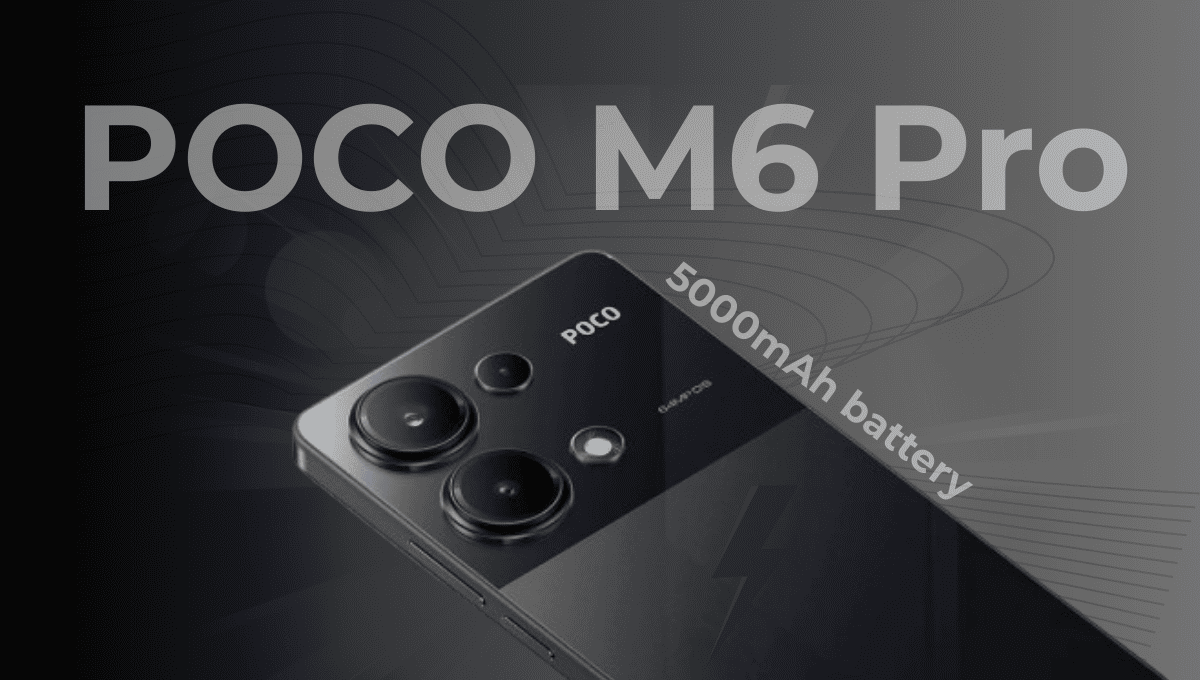
| Poco M6 Pro 5G | Snapdragon 4 Gen 2 | 460,000+ |
👉 See the Poco M6 Pro 5G for 460K AnTuTu score, a great example of mid-range performance that balances speed and efficiency.
Does a Higher AnTuTu Score Always Mean a Better Phone?
Not necessarily. While higher scores usually mean better raw performance, they don’t always guarantee a better real-world experience.
Here’s why:
- Optimization matters: Two phones with the same chipset can perform differently depending on software tuning.
- Thermal management: If a phone heats up too quickly, it may throttle performance even with a high AnTuTu score.
- User priorities: A person who only browses social media doesn’t need a phone with 1.5 million AnTuTu score.
So while benchmarks are helpful, they shouldn’t be the only thing you look at.
How to Check Your Phone’s AnTuTu Score
If you’re curious about your device’s score, you can easily test it yourself:
Step 1:
Download the AnTuTu Benchmark app from the official website (since it’s not available on Google Play due to policy restrictions).
Step 2:
Install and open the app.
Step 3:
Tap “Test” and wait while it runs a complete benchmark. The process takes about 5–10 minutes.
Step 4:
After the test, you’ll get your total score and a breakdown of CPU, GPU, Memory, and UX performance.
You can also compare your results with other phones in the AnTuTu ranking list.
What Factors Affect the AnTuTu Score?
Several factors can influence your benchmark results:
- Processor type (chipset) – The biggest factor in determining your score.
- Software version – Newer Android versions or custom ROMs can improve performance.
- Temperature – High temperatures can cause throttling and lower your score.
- Background apps – Running apps consume resources and may reduce benchmark numbers.
- Storage type – UFS 4.0 is much faster than UFS 2.2 or eMMC.
To get the most accurate score, ensure your phone is cool and no heavy apps are running before starting the test.
How to Compare Phones Using AnTuTu Score
When comparing two smartphones, use the AnTuTu score as a reference point, not an absolute judgment.
For example:
- A phone with 1 million+ points is flagship level.
- Around 700K–900K is upper mid-range.
- 400K–600K is good for budget and mid-range users.
General Benchmark Range (2025):
| Range | Category | Example Devices |
|---|---|---|
| 1.8M – 2.5M | Flagship | Galaxy S24 Ultra, iQOO 13 |
| 1M – 1.5M | Premium Midrange | OnePlus 12R, Poco X7 Pro |
| 500K – 900K | Midrange | Realme 12 Pro+, Redmi Note 13 Pro |
| <500K | Budget | Poco M6 Pro, Infinix Note 40 |
CPU vs. GPU: Which Matters More?
Both are crucial—but their importance depends on your usage.
- If you love gaming, GPU matters more (it determines frame rates and graphics).
- If you focus on daily multitasking, CPU performance matters more.
AnTuTu combines both scores, so you get a clear idea of overall balance.
Why Reviewers and Brands Use AnTuTu Scores
Tech reviewers and smartphone brands rely on AnTuTu because it gives a consistent, comparable measurement.
Even though no benchmark is perfect, AnTuTu helps show progress across generations.
For example, a Snapdragon 8 Gen 3 phone scoring 1.8M+ clearly outperforms an older Snapdragon 870 that scored around 700K.
It’s also useful for gamers, developers, and testers to understand how capable a device is under load.
Alternatives to AnTuTu Benchmark
While AnTuTu is the most famous, it’s not the only tool. Here are a few alternatives you might see in reviews:
- Geekbench – Focuses more on CPU and memory performance.
- 3DMark – Tests only the GPU for gaming and graphics power.
- PCMark for Android – Simulates real-world performance like photo editing and browsing.
Each benchmark measures different aspects, so it’s best to look at multiple scores rather than relying on just one.
Is AnTuTu Safe to Use?
Yes, AnTuTu is safe if downloaded from the official website (antutu.com).
However, since it’s not on Google Play, be careful not to download from fake sources—some sites may offer modified versions filled with malware or ads.
Always check the official site and verify the app signature before installing.
Final Thoughts: Should You Care About AnTuTu Scores?
AnTuTu scores are a great performance indicator, but not the full story.
They help you understand your phone’s potential, compare different models, and identify performance tiers—but the real experience still depends on software optimization, battery efficiency, and long-term stability.
If you’re a gamer, tester, or performance enthusiast, keeping an eye on AnTuTu scores makes sense.
But if you’re a casual user, focus more on things like camera quality, display, and battery life—because those matter just as much in daily use.
Quick Recap:
- AnTuTu Score = overall performance rating for smartphones.
- Measures CPU, GPU, RAM, Storage, and UX.
- Higher score = faster, more powerful device.
- Great for comparisons but not the only buying factor.
- Use official AnTuTu app for accurate results.
Final Tip:
If you’re shopping for your next phone, check the AnTuTu benchmark score to get a quick sense of how powerful it is—but also read reviews, watch hands-on videos, and see how it performs in real life.
Because numbers are great—but experience is everything.