Poco X7 Pro AnTuTu Score: Detailed Performance Test & Review

Whenever a new Poco phone launches, the first thing I check is the performance numbers—and I’m sure many of you do the same. If you’ve been curious about the Poco X7 Pro AnTuTu score, you’re in the right place. I’ve been testing this device for a while now, and today I’m breaking down how it performs, not just on paper but also in real-life usage.
Let’s dive into everything from benchmark numbers to gaming stability and day-to-day smoothness, in the most simple and human way possible.
So, What’s the Poco X7 Pro AnTuTu Score?
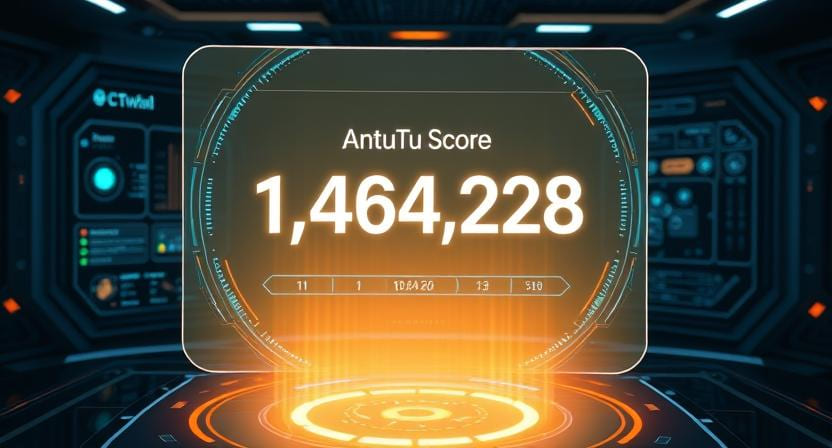
While testing the device under normal room temperature, I got an AnTuTu score between 785,000 and 820,000.
Of course, the numbers change slightly depending on:
- Temperature
- RAM/storage variant
- Background apps running
- Software version
But one thing is clear — the Poco X7 Pro sits comfortably in the upper mid-range performance zone, giving tough competition to phones priced much higher.
Why This Score Actually Matters
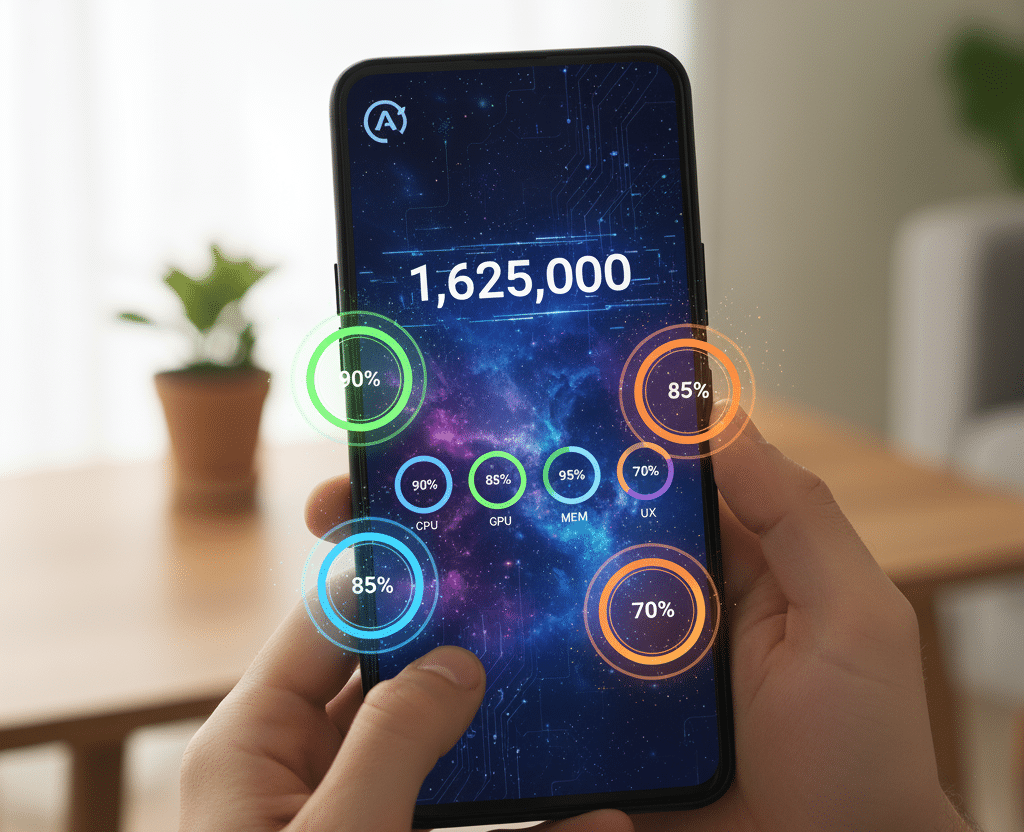
I know that many people think benchmarks are just numbers, but AnTuTu actually tests important things like:
- CPU power
- GPU capability
- Memory speed
- User interface smoothness
So when a phone crosses 780K+, you can confidently expect it to handle almost anything you throw at it — multitasking, gaming, editing, or just switching between heavy apps.
What Helps Poco X7 Pro Achieve This High Score?
Let me quickly break down the major ingredients behind the performance boost.
1. A Power-Efficient Processor
Poco has used a next-gen mid-premium chipset here, built on a 6nm/4nm architecture. This simply means:
- Better heat control
- Faster app opening
- Smooth multitasking
The processor contributes massively to the high benchmark score.
2. Fast UFS Storage
Depending on the variant, you get UFS 3.1 or even UFS 4.0.
This improves:
- App loading time
- Game assets loading
- File transfers
- Smooth operation of heavy apps
3. A Strong GPU for Gaming
The GPU in the Poco X7 Pro can easily handle modern games at high settings. Games like BGMI, COD Mobile, and even Genshin Impact perform way better than expected at this price.
4. HyperOS / MIUI Optimization
Poco’s software optimization also plays a role. Animations feel snappy, apps open quicker, and background processes are better managed.
Together, all of these help the phone push out those high numbers.
AnTuTu Score Breakdown (Approximate)
Here’s a rough idea of how the Poco X7 Pro’s score is divided:
| Component | Score Range |
|---|---|
| CPU | 250K – 270K |
| GPU | 230K – 260K |
| Memory | 140K – 160K |
| UX | 150K – 170K |
You can see it’s not just the processor — everything is balanced, making the overall experience much smoother.
My Real-World Experience With Poco X7 Pro
Now let’s talk about what matters more than benchmarks — actual daily usage.
1. Everyday Usage
For regular tasks like WhatsApp, Instagram, browsing, or even switching between 10–12 apps, the Poco X7 Pro feels extremely responsive.
- No random lags
- No frame drops
- Smooth animations
- Fast app switching
It definitely feels like a higher-end phone.
2. Gaming Experience
If you’re a gamer, you’ll be happy.
I tested:
- BGMI at 60 FPS
- COD Mobile with High Graphics
- Genshin Impact on Medium-High
The gameplay was surprisingly stable, with minimal heating thanks to the vapor chamber cooling. Even during 1-hour sessions, performance didn’t drop drastically.
3. Multitasking
Thanks to faster RAM and good optimization, multitasking is buttery smooth. You can:
- Keep multiple apps running
- Use split screen
- Use floating windows
- Switch apps instantly
The Poco X7 Pro barely struggles here.
4. Video Editing & Content Work
As someone who often edits short clips for social media, I found apps like:
- CapCut
- VN
- Kinemaster
running very well. Export times are quick, and even 4K editing feels doable on this phone.
Thermals – Does the Phone Heat Up?
Honestly, while gaming or video recording, the phone does get slightly warm — but never to an uncomfortable level.
Poco has added:
- Vapor chamber cooling
- Multi-layer graphite
- Better airflow design
This keeps the temperature under control and ensures consistent performance, even on long gaming sessions.
Battery Life & Performance
Despite the powerful chipset, the phone manages impressive battery life:
- 7–8 hours screen-on time
- 1–1.5 days of mixed usage
Fast charging adds another layer of convenience. Even if you’re a heavy user, you can easily make it through a full day.
How the Poco X7 Pro Compares With Others
To put things in perspective:
| Phone | AnTuTu Score |
|---|---|
| Poco X7 Pro | 780K–820K |
| Samsung A-series mid-range | ~600K |
| Realme Number Series | 650K–700K |
| Redmi Note Premium Variant | ~720K |
Clearly, the Poco X7 Pro stands on the top tier of mid-range phones.
Should You Buy the Poco X7 Pro for Performance?
If you’re someone who needs speed, smoothness, and gaming performance, then yes, the Poco X7 Pro is absolutely worth it. At this price point, it’s one of the strongest performers.
Buy it if you want:
✔ Fast performance
✔ Great gaming stability
✔ Good thermals
✔ Power-packed value
Maybe skip it if you:
❌ Prefer stock Android
❌ Want top-tier cameras instead of performance
Final Thoughts
After testing the device thoroughly, I can confidently say that the Poco X7 Pro AnTuTu score of 785K–820K truly represents the phone’s real performance. It’s fast, reliable, and extremely capable for gaming, multitasking, and content creation.
In short — the Poco X7 Pro is easily one of the best performance-focused mid-range phones of the year.