What Does an 820K AnTuTu Score Mean for Your Device?

If you’ve been browsing smartphone specs lately, you might have seen terms like “820K AnTuTu score” popping up everywhere. Whether it’s a mid-range phone boasting that number or a flagship showing off its raw power, an 820K AnTuTu score often sparks curiosity. But what exactly does it mean? Does that number guarantee smooth performance, better gaming, or longer battery life?
Let’s break down everything you need to know about the 820K AnTuTu score — from how it’s calculated to what kind of real-world performance you can expect from such a score.
What Is AnTuTu and Why Does It Matter?
Before we dive into the 820K mark, it’s important to understand what AnTuTu actually is.
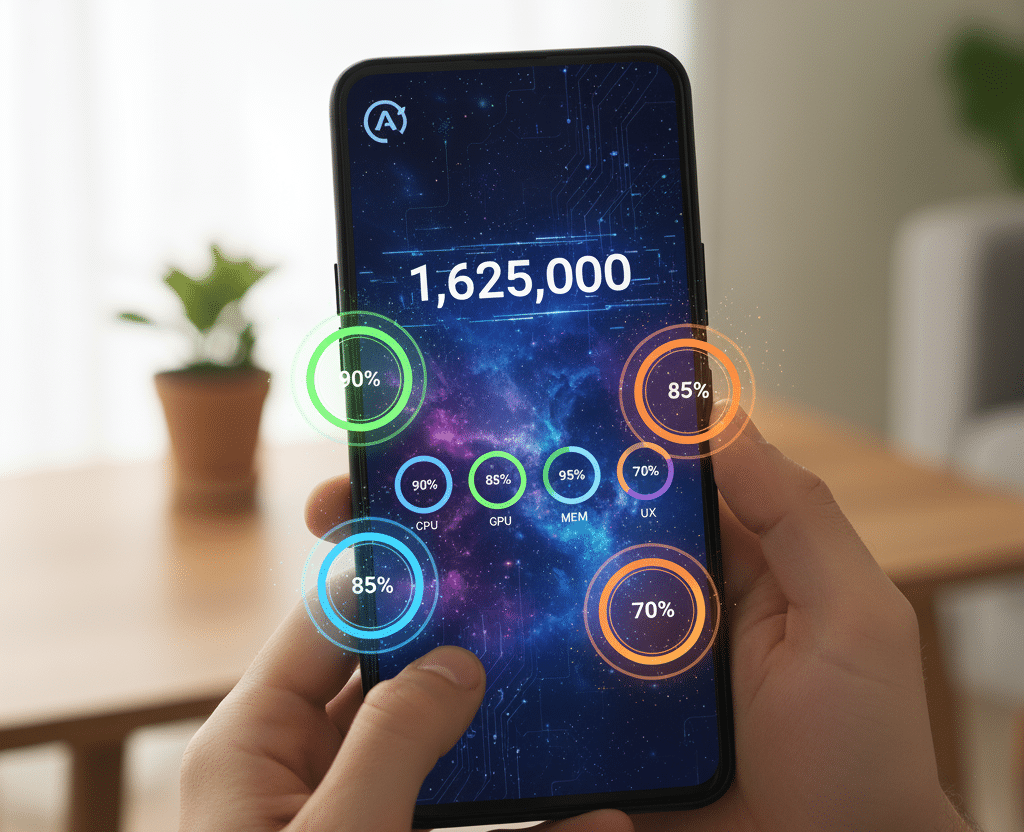
AnTuTu Benchmark is one of the most popular tools used to measure the performance of Android (and sometimes iOS) devices. It runs a series of tests that evaluate your phone’s CPU, GPU, memory, and user experience. Each test contributes to a final number — that’s your AnTuTu score.
The higher the number, the better your phone performs in those synthetic tests.
Here’s what each segment measures:
- CPU: Overall processing power, affecting app load times and multitasking.
- GPU: Graphics performance for gaming and visual rendering.
- Memory (RAM + Storage): Data transfer speed and app switching.
- UX (User Experience): Smoothness of the system, animations, and UI response.
An 820K AnTuTu score generally means the device is running on a powerful mid-range to flagship-level chipset, capable of handling gaming, multitasking, and heavy apps efficiently.
What Kind of Phones Score Around 820K on AnTuTu?
Now that you know what AnTuTu measures, let’s look at the type of devices that usually achieve an 820K score.
As of 2025, smartphones powered by chipsets like MediaTek Dimensity 8300, Snapdragon 7+ Gen 2, or Snapdragon 8 Gen 1 (underclocked variants) often land near the 800K–850K range.
Here are some examples:
- Poco F6 (Snapdragon 8s Gen 3) – around 820K to 850K
- Realme GT Neo 5 SE (Snapdragon 7+ Gen 2) – roughly 820K
- Redmi Note 13 Pro+ (Dimensity 7200 Ultra) – close to 780K–820K depending on variant
This means an 820 AnTuTu score isn’t exclusive to ultra-premium phones anymore. Even upper mid-range smartphones are capable of delivering flagship-level speed and gaming smoothness.
820K AnTuTu Score vs Real-World Performance
Synthetic benchmarks like AnTuTu are great for comparisons, but numbers don’t always tell the full story. A phone that scores 820K doesn’t necessarily perform 82% as good as a 1 million score device.
Here’s what you can expect in real-world performance:
1. Gaming
With an 820K score, you can comfortably play AAA mobile games such as PUBG Mobile, Call of Duty, and Genshin Impact on high settings without noticeable frame drops. The GPU performance is strong enough for smooth 60fps gameplay.
2. Multitasking
Switching between multiple heavy apps, running background downloads, and using split-screen modes are handled with ease. The CPU efficiency ensures that the phone doesn’t lag or overheat easily.
3. App Loading and UI Smoothness
Apps open instantly, animations feel fluid, and scrolling is buttery-smooth. You’ll notice a major difference if you’re upgrading from a phone that scored under 500K.
4. Battery and Thermal Control
Most devices around this score use modern 4nm or 5nm chipsets, which are optimized for power efficiency. So while you get high performance, you don’t necessarily compromise battery life — as long as the phone’s cooling system is well-designed.
How Does 820K Compare to Other AnTuTu Scores?
To put this into perspective, let’s compare it with other score ranges:
| AnTuTu Score Range | Performance Level | Chipset Example |
|---|---|---|
| 200K – 400K | Entry-level | Snapdragon 680, Helio G88 |
| 400K – 700K | Mid-range | Dimensity 6100+, Snapdragon 778G |
| 700K – 850K | Upper Mid-range | Dimensity 8300, Snapdragon 7+ Gen 2 |
| 900K – 1.2M | Flagship | Snapdragon 8 Gen 2 / 8 Gen 3 |
| 1.3M and above | Ultra Flagship | Apple A17 Pro, Snapdragon 8 Gen 4 |
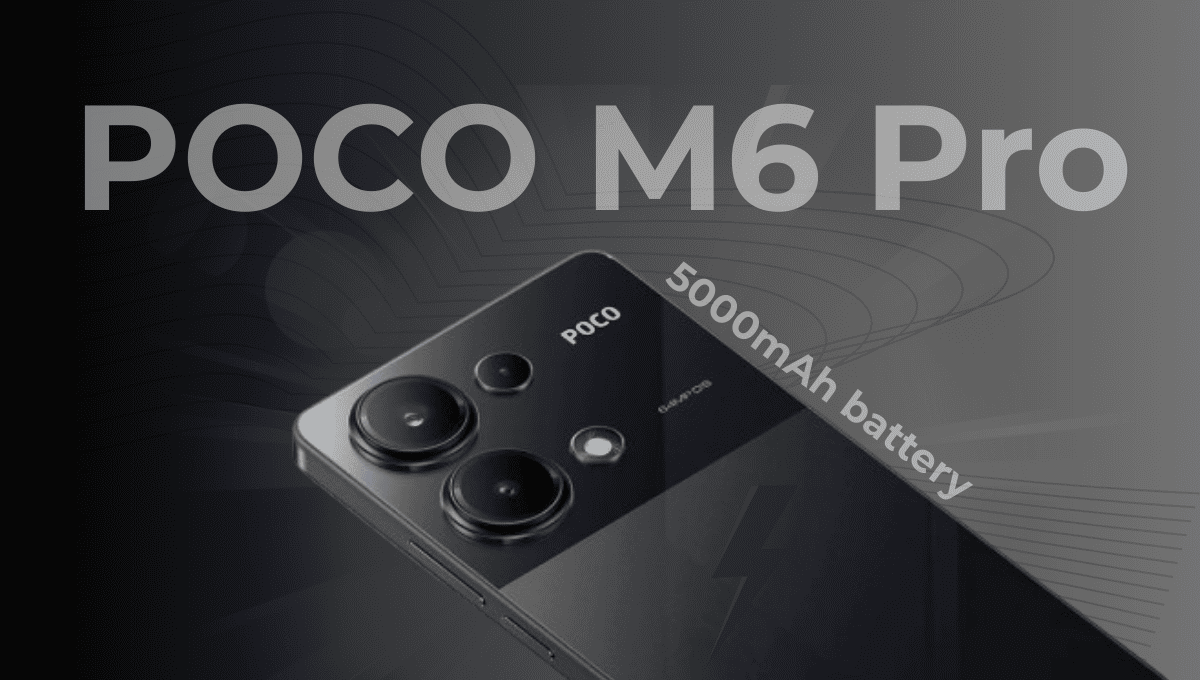
An 820K score places your device firmly in the “upper mid-range” category — ideal for gamers, multitaskers, and everyday users who want flagship performance without the flagship price tag. For comparison, see the Poco M6 Pro 5G, which scores around 460K on AnTuTu, offering solid mid-range performance for budget users.
What Factors Affect AnTuTu Scores?
You might be wondering why two phones with the same processor can still score differently on AnTuTu. Here are some factors:
- Cooling System: Phones with better heat dissipation (like vapor chambers) perform more consistently.
- Storage Type: UFS 4.0 storage gives higher memory scores than UFS 3.1.
- Software Optimization: MIUI, OxygenOS, and ColorOS handle resource management differently.
- Battery Temperature: Hot devices throttle performance, reducing the final score.
So, if your device scores 810K instead of 830K, it doesn’t necessarily mean it’s weaker — just that environmental or software conditions influenced the benchmark.
Should You Buy a Phone with an 820K AnTuTu Score?
If you’re a gamer, content creator, or multitasker, then yes — a phone with an 820K score is an excellent choice.
Here’s why:
- You’ll get flagship-like speed at a much lower price.
- Gaming performance will be smooth and lag-free for most titles.
- Future-proof for the next 2–3 years in terms of app compatibility.
However, if you prioritize camera quality or battery longevity, look beyond just the benchmark. AnTuTu measures performance, not camera sensor quality or optimization.
Tips to Maximize Your Phone’s AnTuTu Performance
If you already own a phone with this score or close to it, here are some tips to get the best out of it:
- Keep the phone cool — avoid benchmarking right after charging.
- Use performance mode if available.
- Close background apps before running heavy tasks or games.
- Update your software — manufacturers often improve performance with OTA updates.
These small tweaks can ensure your device maintains its peak performance longer.
Final Thoughts
An 820K AnTuTu score represents a perfect balance between performance, efficiency, and affordability. You’re essentially getting a device capable of running anything you throw at it — from high-end gaming to content creation — without paying flagship prices.
While numbers alone don’t define user experience, an 820K score is a reliable indicator that the phone under your fingertips packs serious performance muscle.
If you’re planning to upgrade soon and spot this score in a smartphone’s spec sheet, you can safely expect powerful, future-ready performance that’ll keep up with your lifestyle for years to come.